
A Special Event from the Center for Public Service and Community Research and the UHD Counseling Department
Losses That Shape Us (and what comes after)
Loss deeply shakes how we experience ourselves and the world. Whether it’s family
estrangement, romantic heartbreak, career or financial setbacks, physical or mental
health challenges, or other life transitions, loss often makes “everything feel different.”
In this first-of-its-kind, six-part series, faculty from UHD’s social work and counseling
departments explore the different types of loss. Each of the six sessions will have
a different focus:
 Losses That Shape Us (and what comes after)
Thursday, September 17th
12:30 – 2:00 p.m.
in Buffalo Bayou Room
(next to Starbucks)
Focus: General introduction to the series and a discussion on the various facets of loss and the ensuing grief it produces.
 Familial Loss
Tuesday, September 22nd
12:30 – 2:00 p.m.
in Buffalo Bayou Room
(next to Starbucks)
Speakers: Naomi Berger-Perez and Jessica Peralta
Focus: Estrangement, ongoing conflict, emotional distance, aging of parents, or empty nesting—can deeply shake how we experience ourselves and the world.
Speakers BIO
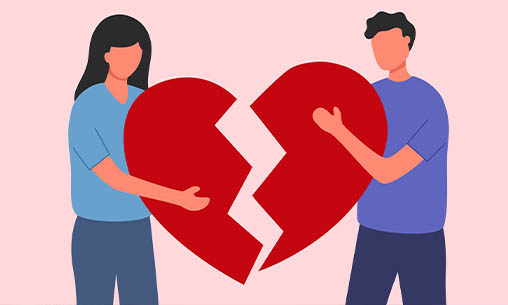 Romantic Loss
Wednesday, October 7th
12:30 – 2:00 p.m.
in Buffalo Bayou Room
(next to Starbucks)
Speakers: Leslie Sirrianni and Dr. Dana Smith
Focus: Breakups, rejection, betrayal, the end of a situationship, or unrequited feelings—can
deeply shake how we experience ourselves and the world.
 Career and Financial Loss
Wednesday, October 21st
12:30 – 2:00 p.m.
in Buffalo Bayou Room
(next to Starbucks)
Speakers: Dr. Richard Simonds, Martin Gonzalez, and Dr. Heather Goltz
Focus: Job loss, career setbacks, financial instability, the scary need to change your major
again, the change of a hoped-for career path, unexpected shifts, underemployment,
or uncertainty about the future—can deeply shake how we experience ourselves and the
world.
Speakers BIO
 Physical and Mental Loss
Tuesday, November 3rd
12:30 – 2:00 p.m.
in Buffalo Bayou Room
(next to Starbucks)
Speakers: Dr. Liza Barros Lane and Timothy Coulter
Focus: Loss of health (chronic illness, injury, disability) or loss of mental health (anxiety
disorders, depression, burnout, trauma)—can profoundly disrupt how we experience ourselves
and the world.
 Ask Me Anything
Wednesday, November 18th
12:30 – 2:00 p.m.
in Buffalo Bayou Room
(next to Starbucks)
Speakers: All Presenters
Focus: We wrap up the series, answering any questions participants may have after being exposed
to the various types of loss and how to address them in a manner that is safe and
healthy.
Speakers BIO
Register for One or More Sessions
Using UHD’s social work professor, Dr. Liza Lane’s Integrative Embodied–Narrative Model, participants will gain a better understanding of these losses by looking at the four key areas of our identity that losses commonly disrupt.
These axes explain why loss — big or small, clear or uncertain — can affect us so deeply. The axes are connected—when one is affected, the others often are too.
- Habitual Axis Simple Definition: This is the automatic, body-based sense of who you are and how the world feels familiar. It’s built through daily habits, routines, and the way your body moves through familiar places and actions.
How Loss Disrupts It: Your body’s “autopilot” gets thrown off. Habits and routines that once felt normal no longer match reality. Examples: Automatically reaching for your phone to call someone who’s no longer there; feeling physical tension or emptiness in places tied to what you lost; daily tasks like walking to class or eating in the cafeteria suddenly feeling heavy or wrong. This can make the world feel less safe, predictable, or like home.
- Practical Axis Simple Definition: This is the part of your identity that comes from your roles, values, commitments, and sense of purpose. It gives you agency and the felt sense that “I can do this.”
How Loss Disrupts It: Loss can drain your motivation, confidence, and action-readiness. Examples: Struggling to focus on schoolwork or make decisions about the future; feeling overwhelmed by everyday tasks that used to feel manageable; hesitation to plan ahead when everything feels uncertain. Daily life and next steps can suddenly feel much harder.
- Historical Axis Simple Definition: This is the part of your identity rooted in your personal story and shared background — where you come from, your timeline in life, and your sense of continuity.
How Loss Disrupts It: The expected story and timeline of your life get interrupted. Examples: Mourning the future you thought you would have; feeling disconnected from family traditions or personal milestones; questioning “who am I now” in relation to what was lost.
- Narrative Axis Simple Definition: This is how you weave your experiences into a coherent life story that connects your past, present, and hoped-for future.
How Loss Disrupts It: The story of your life feels fractured. It can be hard to make sense of the loss without letting it define your entire identity. Rebuilding a meaningful story becomes an important part of healing.
Ambiguous vs. Unambiguous Losses
- Unambiguous Loss: A clear, definite ending with closure. Example: A final breakup text, a death, or
being officially laid off from a job.
- Ambiguous Loss: Unclear, uncertain, or without clean closure. Example: A situationship that slowly fades, emotional family distance, or ongoing health uncertainty. These are often harder because your mind and body stay in limbo.
How Shame Shows Up in Loss
Loss often triggers shame around worthiness, belonging, or competence (“I should be handling this better,” “Something is wrong with me,” or “I’m not enough”). This shame can make you withdraw, hide your pain, or question your value, and it affects all four axes.
Key Takeaways for College Students
Many losses in college feel ambiguous, which can make processing and healing more
confusing.
- All losses — whether clear or ambiguous — are painful and valid.
- Shame loses power when met with self-compassion and support.
- Healing involves short-term coping and longer-term rebuilding of meaning.
For more information contact Steven Villano, director of the Center for Public Service and Community Research at villanos@uhd.edu.