
For many STEM students, earning a degree is only one step toward launching a career. A new state-funded initiative run by the University of Houston-Downtown’s Scholars Academy is designed to help students bridge the skills gap with industry-recognized credentials and hands-on research experience.
The Texas Talent Connection grant awarded the university $344,961 to support students as they earn professional certificates in security-related fields such as cybersecurity, robotics, chemical security, and bioinformatics while working alongside faculty mentors. By pairing certificate training with research opportunities, the program is intended to prepare students for employment before they graduate.
“There's many goals in STEM, but the goal here is getting students jobs,” said Dr. Mary Jo Parker, Executive Director of the Scholars Academy. “We want them to finish the degree. The certificates move students forward and hopefully help them find employment. We’re fine-tuning them for the next step.”
The program will prioritize upper-division undergraduates, with scholarships available for 45 UHD students, while also offering opportunities to community college and pre-college participants through summer programming. According to Parker, the emphasis on juniors and seniors reflects the grant's goal of helping students transition quickly into the workforce.
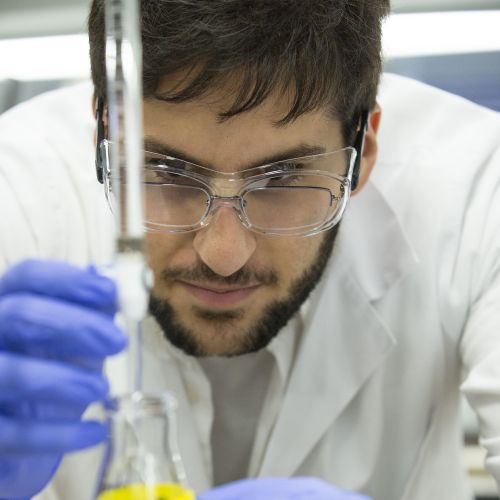
Rather than traditional semester-long courses, participants will complete condensed, faculty-led training designed to prepare them for industry certification exams. Professors will combine online instruction, laboratory exercises, practice assessments, and mentoring to help students build both technical knowledge and team skills before attempting certification. The program's goal is for each participant to earn at least two industry-recognized credentials.
Undergraduate research leaders will mentor newer participants, creating opportunities to strengthen communication, teamwork, and leadership while working alongside faculty.
Students in the program will also have opportunities to present research at conferences, travel with faculty mentors, and contribute to scholarly projects. Engaging in the field these ways helps students better understand both graduate education and careers in industry research and development.
Program success will ultimately be measured not only by certificates earned, but by students' progress toward graduation and employment after completing the program. For Parker, those outcomes represent more than grant metrics—they reflect a commitment to helping students leave UHD prepared to succeed.